The Gyeongseong of '100 Days of Lies': The Korean Words Preserved 90 Years Ago
As the drama '100 Days of Lies' brings 1932 Gyeongseong into the spotlight, we revisit the Korean Language Society's standard-word collection published on October 28, 1936. The 90-year-old historical record is distinct from the drama's fictional espionage story.

Busy streets and people harboring secrets in 1930s Gyeongseong: it's an atmosphere viewers of tvN's '100 Days of Lies' might imagine. But just four years after the era depicted in the drama, real people in the city were engaged in long discussions, not about guns or codes, but about words. On October 28, 1936, the Korean Language Society published 'A Collection of Standard Korean Words' (Sajeonghan Joseoneo Pyojunmal Moeum). Exactly 90 years have passed.
The drama brings Gyeongseong in 1932 back into view
Set in Gyeongseong in the 1930s, '100 Days of Lies' is an espionage romance about Yi Ga-gyeong, a pickpocket who hopes to leave for the United States. After making a deal with Korean independence fighters, she infiltrates the Japanese Government-General of Korea under a false identity. There she encounters interpreter Sato Hideo, and their secrets and choices intertwine. Their story is fictional, not a record of an actual independence operation.
According to reports published on October 27, the series placed first in the TV-and-streaming drama buzz ranking for the fourth week of October (October 19–25), as compiled by Good Data Corporation's FUNdex. Its sixth episode also recorded a 9.5% audience rating among nationwide pay-TV households. Buzz rankings and viewing ratings measure different things and should not be treated as interchangeable.
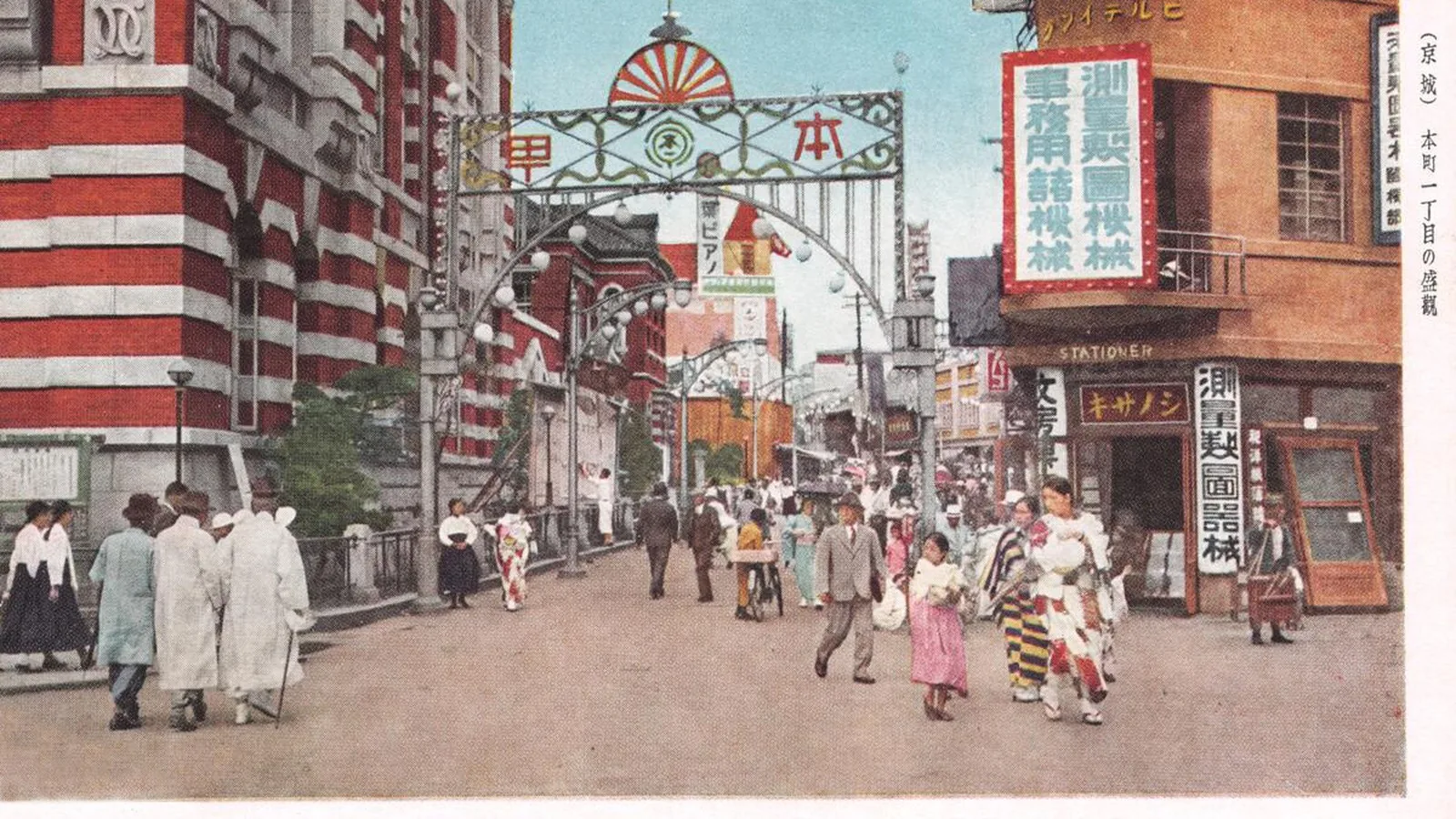
Four years later: the real history of October 28
October 28, 1936, was Hangeul Day as it was observed at the time. To commemorate the promulgation of Hangeul, the Korean Language Society published the results of years of review as 'A Collection of Standard Korean Words'. The project collected words used differently by speakers during Japanese colonial rule and sought common standards. The fact that Hangeul Day fell on a different date from today's October 9 is itself a surprising piece of history.
This work followed the Unified Korean Spelling Proposal of 1933. After establishing rules for writing words, scholars still needed to decide more precisely which spoken forms should serve as standards. The society formed a committee, held successive rounds of discussions, and collected the results in a book. Beyond producing a volume, they were building foundations for learning and using Korean together.
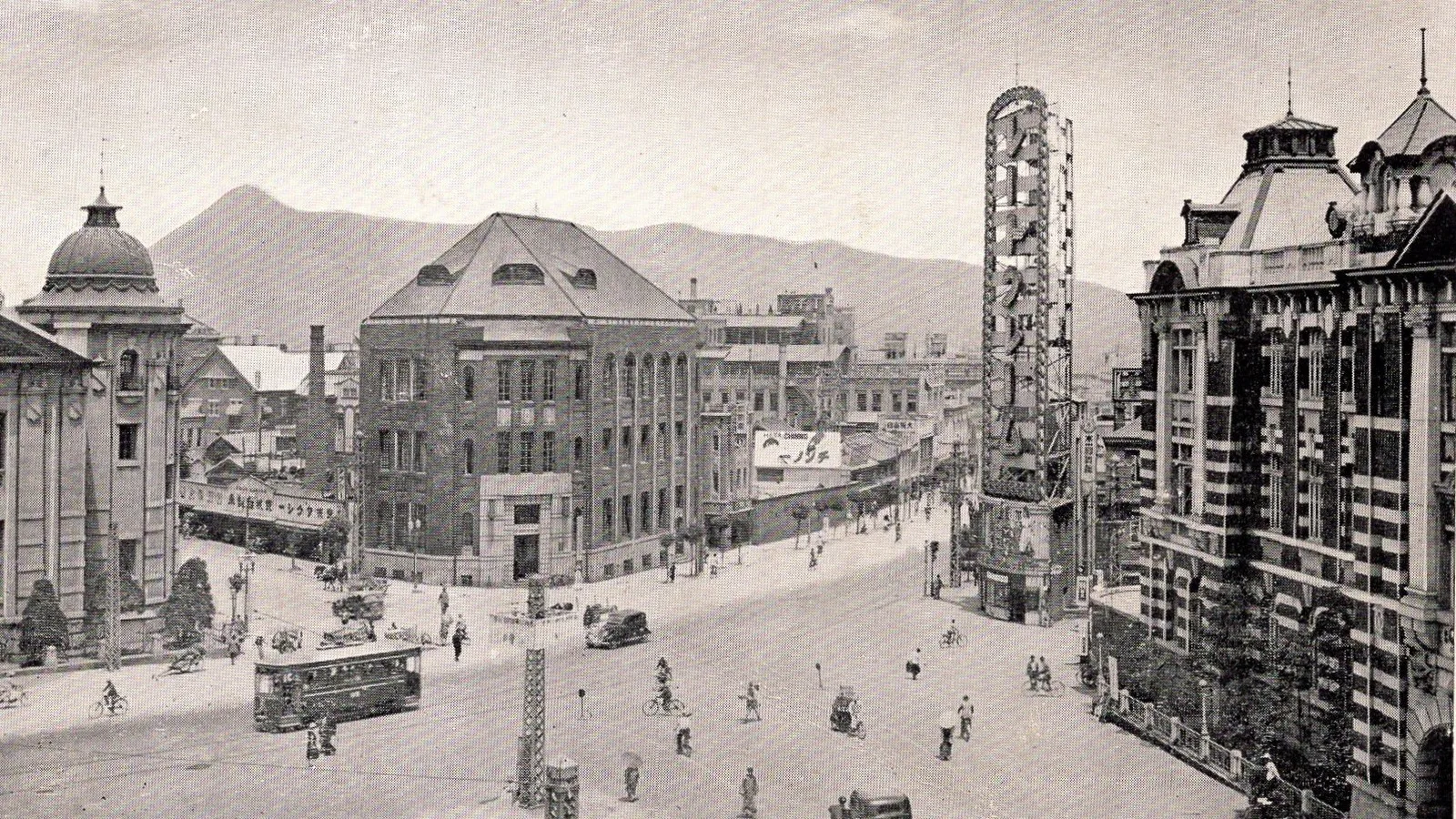
The same era, but very different protagonists
The drama's espionage plot uses fiction to suggest the tensions of Gyeongseong in 1932. The standard-word collection from 1936, by contrast, is a real record made by language scholars and activists. One story sparks curiosity through drama; the other documents what people of the time tried to preserve and organize. Events set four years apart should not be described as one continuous historical incident.
Archival images also need careful interpretation. Among the copies of 'A Collection of Standard Korean Words' listed by the Independence Hall of Korea are editions dated 1945 and 1946. Those records help establish the book's first publication in 1936, but a later edition must not be presented as the original first edition. The official collection record provides bibliographic information and access to the scanned pages.
Why a hit drama can lead us to an old book
After enjoying the names and events in the drama, why not open a real historical record from the same era? It reminds us that the Korean language we now take for granted was shaped by people who examined and organized words one by one. Curiosity sparked by a spy drama set in Gyeongseong can become a journey into the history of those who worked to preserve Korean 90 years ago.
Comment