October 29, 1987: The Constitution That Restored Direct Presidential Elections
The demands of Korea’s June 1987 democracy movement led to an October 27 referendum and the promulgation of a revised constitution on October 29. Explore the documents and photographs 39 years later.
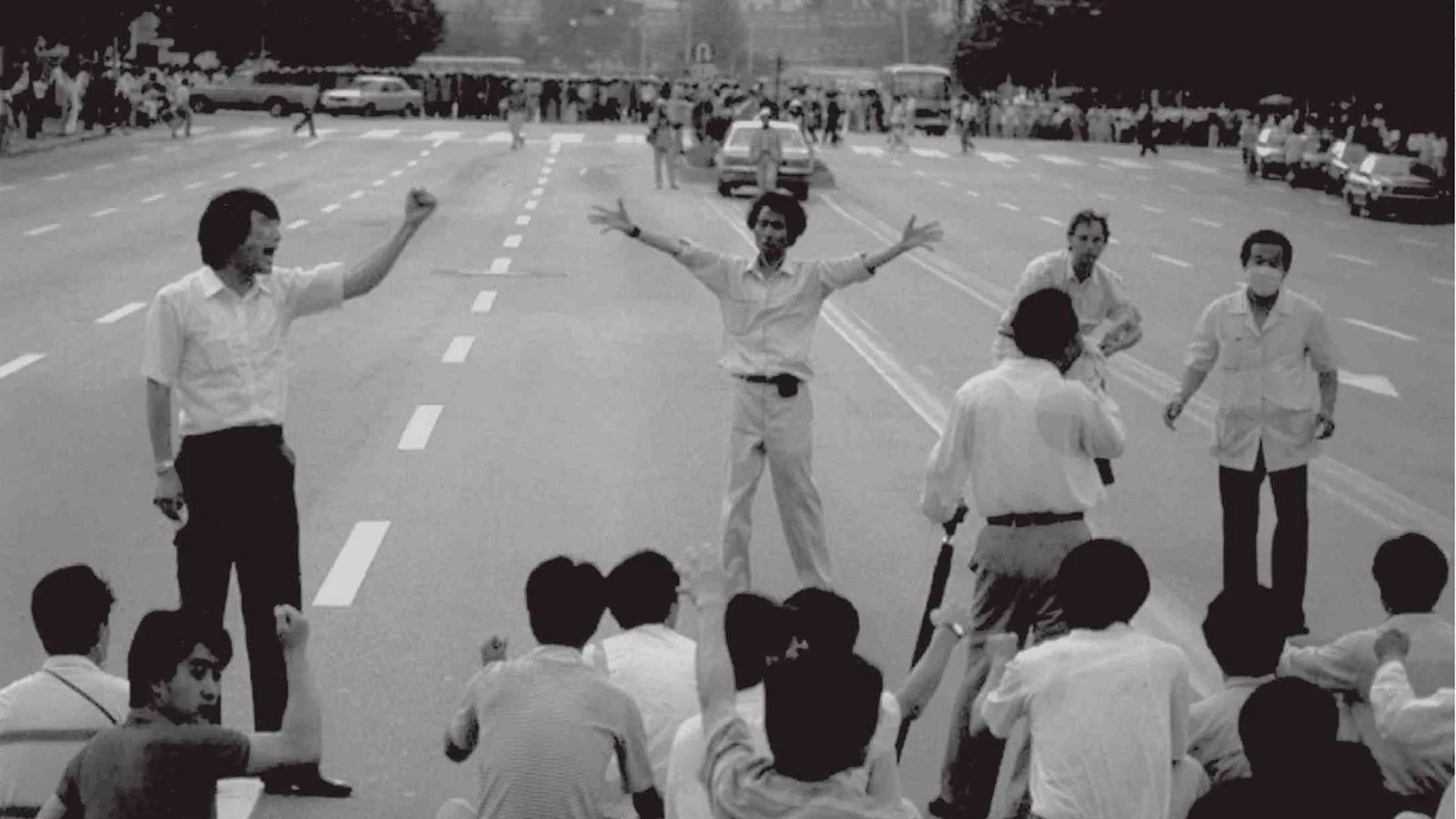
A voter entering a polling place, a crowded square full of citizens: photographs of 1987 preserve a question that can seem ordinary today. Could the people choose their president directly? On October 29, 1987, that demand was written into a revised constitution. Thirty-nine years have now passed.
From voices in the streets to words in the Constitution
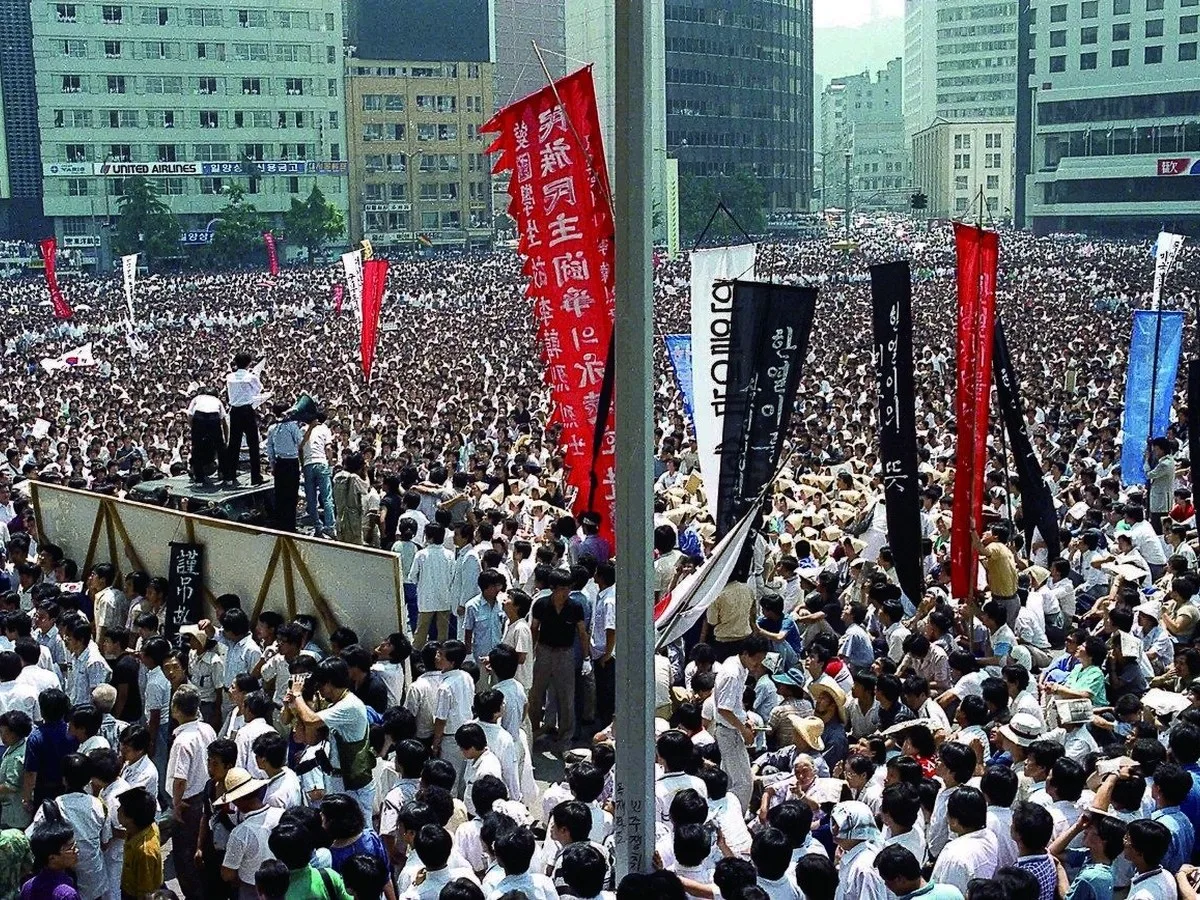
The way the president was chosen then differed from today. On April 13 the government announced a measure to maintain the existing constitution, but demands for direct elections and democracy grew into the June Democratic Struggle. The June 29 declaration accepted constitutional reform, followed by negotiations. The July 9 crowd pictured here gathered outside Seoul City Hall to mourn Lee Han-yeol. The June protests and July memorial are distinct moments.
A referendum on October 27, promulgation on October 29
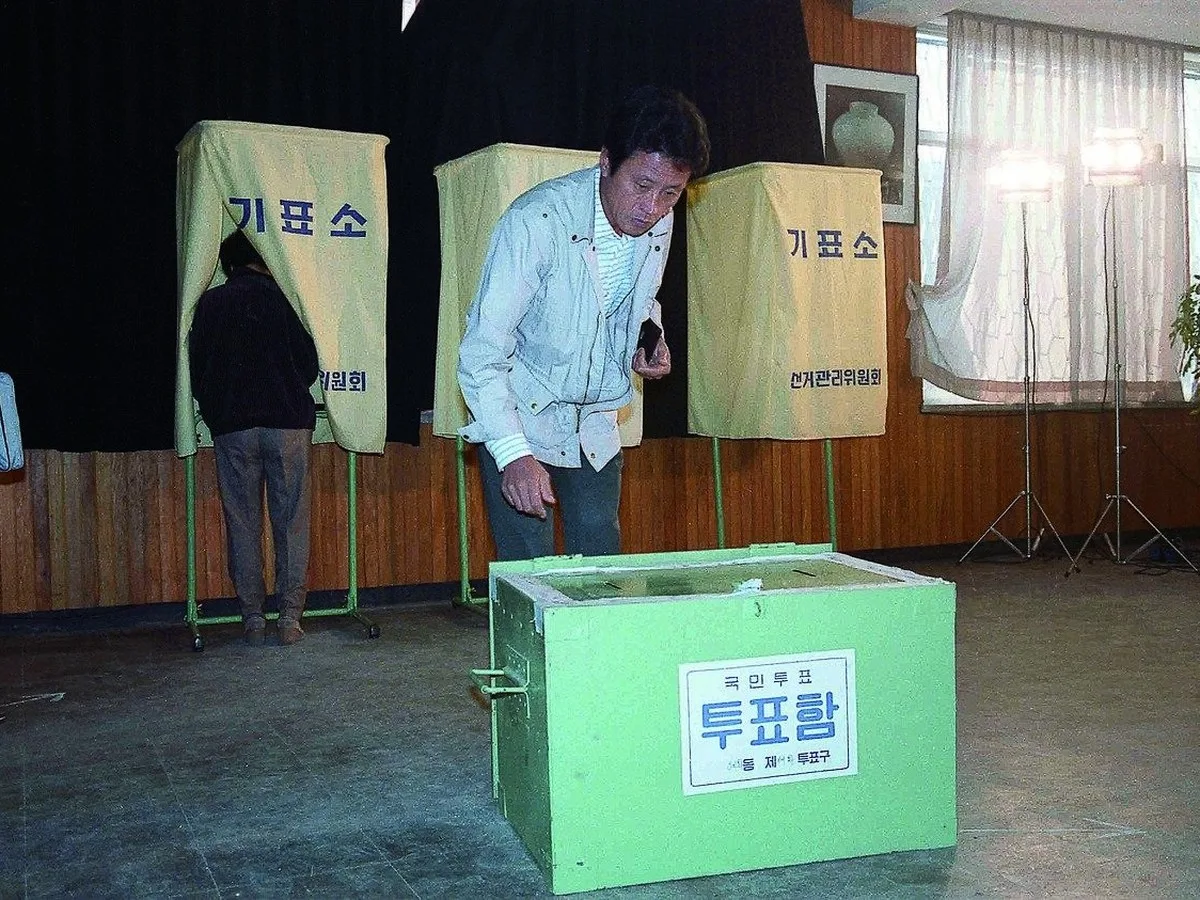
The ninth constitutional amendment was proposed on September 18, announced on September 21 and passed by the National Assembly on October 12. In the October 27 referendum, turnout was 78.2%, with 93.1% of valid votes in favor. The amendment was officially promulgated two days later, on October 29. The National Archives preserves the referendum notification and promulgation documents. The photograph shows the referendum on October 27, not the promulgation day.
The changes went far beyond how presidents were elected
The most visible changes restored direct presidential elections and established a single five-year term. The president lost the power to dissolve the National Assembly and exercise extraordinary emergency measures; the Assembly regained its inspection powers. The revision also laid the groundwork for the Constitutional Court and strengthened due process and the rights of criminal suspects. It redefined rights as well as the balance among government institutions.
The December election and the meaning of a vote today
The first presidential election under the restored direct system took place on December 16, 1987. The revised Constitution as a whole came into force on February 25, 1988. These are different dates. Rather than reducing 1987 to a single triumph, its history invites us to consider how citizens with different views turned demands for participation into lasting institutions.
Voting rights were not always an ordinary part of everyday life. Civic demands, institutional change and the preservation of records helped build them. Looking again at these photographs is one way to ask what choices contemporary democracy rests upon. Which scene from 1987 stays with you?
Comment