World Stroke Day, October 29: Remembrance and Care
On World Stroke Day, learn sudden warning signs and how to call 119 in South Korea. We also remember those who have died and recognize people recovering and the families caring for them.
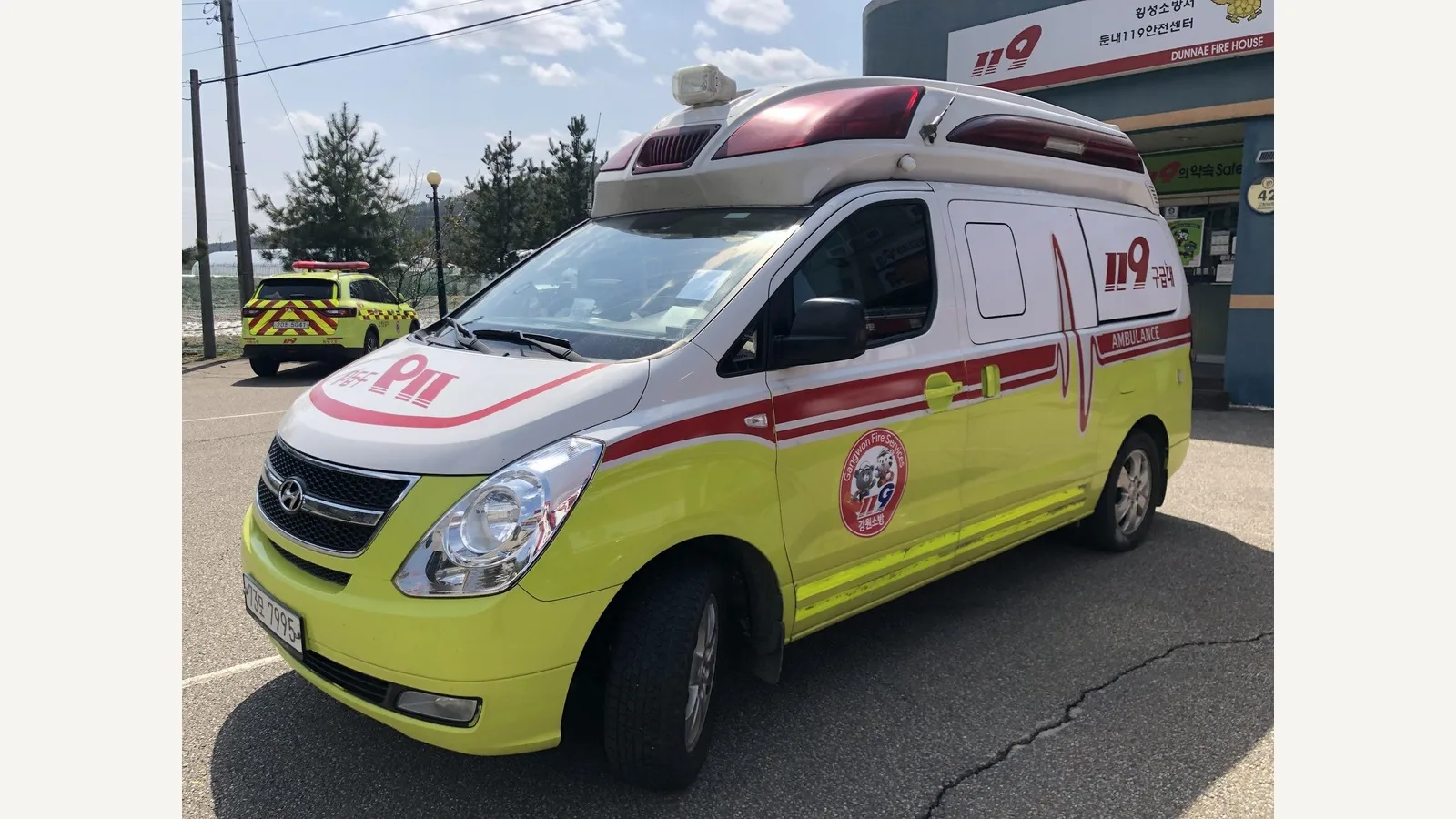
A person's everyday life is made of small moments: sharing a meal, checking in with someone, walking a familiar route. When we talk about stroke, we should remember the life behind the diagnosis and the treatment clock. Today is a chance to learn warning signs, remember those who have died, and respect the time needed by people recovering and their families.
October 29: a shared message around the world
October 29 is World Stroke Day. In 2026, the World Stroke Organization continues its Every M1nute Counts campaign, urging people to recognize symptoms and seek emergency medical help immediately. Let that message be a commitment to help one another, not a reason to blame anyone who has already experienced loss.
The crucial clue is a sudden change
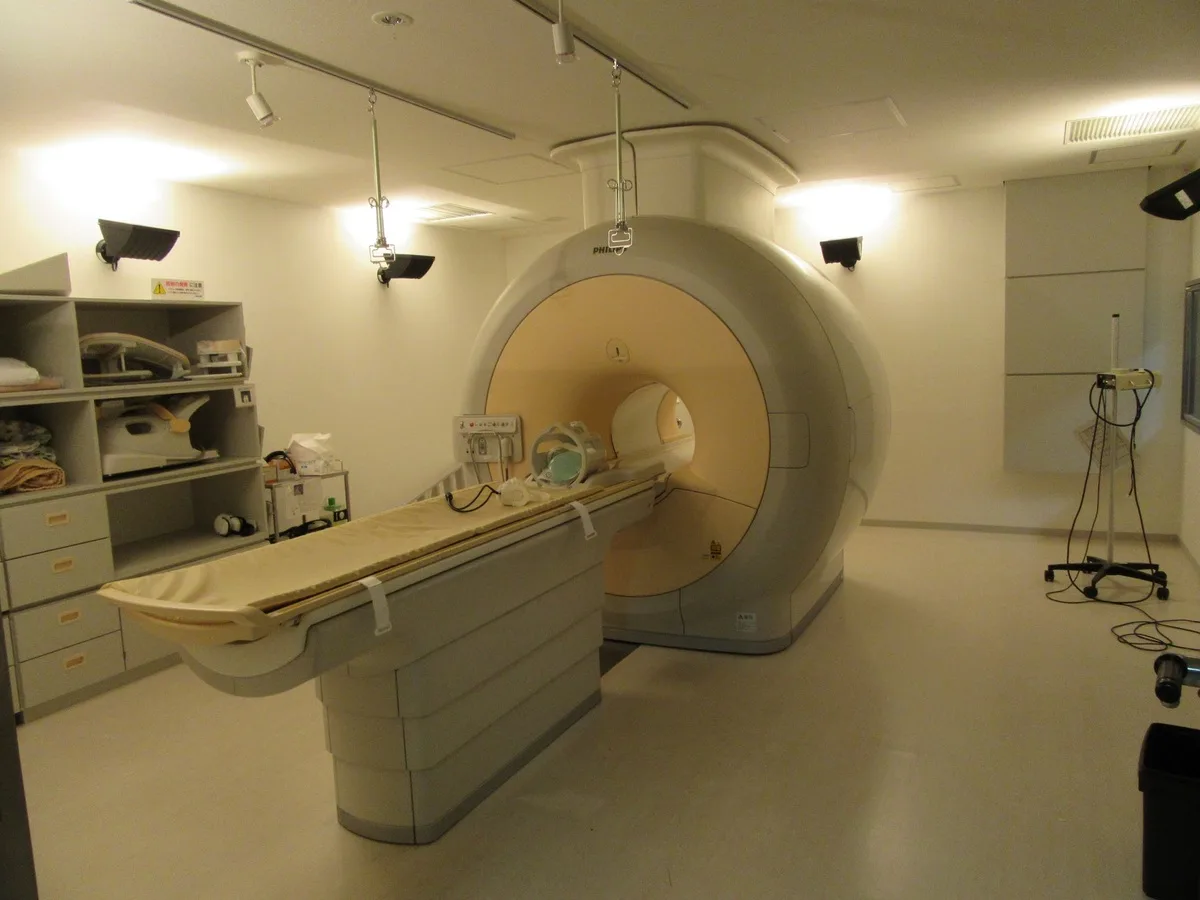
Stroke includes an artery becoming blocked, causing an ischemic stroke, or a blood vessel rupturing, causing a hemorrhagic stroke. Symptoms vary with the part of the brain affected. Changes in speech or the face cannot tell someone at home which type it is. Clinicians assess the cause and condition through neurological examinations and tests such as CT or MRI.
Do not wait: call 119 in South Korea
Ask for help rather than assuming rest will make everything better. Symptoms disappearing after a few minutes do not necessarily mean the danger has passed. A clinician must assess the possibility of a transient ischemic attack or stroke. Do not postpone emergency assessment because someone seems better.
Pricking fingers or massaging limbs while waiting can delay treatment. Do not put water, food or medication into the person's mouth on your own. Do not try to resolve the situation with home remedies; call 119 and follow the emergency dispatcher's instructions.
Treatment options and time windows depend on the type of stroke, test results and the patient's condition. Do not use a particular 'golden time' number as a reason to wait or decide for yourself that it is too late. Prompt emergency assessment is the priority.
Remember recovery and the people providing care
Risk factors such as high blood pressure, diabetes and abnormal cholesterol need ongoing management. Take prescribed medicines as directed in consultation with clinicians. Rehabilitation and prevention of another stroke continue after acute treatment. The timing and type of rehabilitation should be agreed with the care team, rather than judging progress against someone else's recovery.
We do not want this day to end with a list of prevention rules. A person in rehabilitation may need encouragement; someone providing care may need practical help; someone bereaved may need time to grieve without being rushed. Emphasizing rapid response is not the same as assigning blame to patients or families. May remembrance lead us to care more attentively for each other's everyday lives.
Comment